

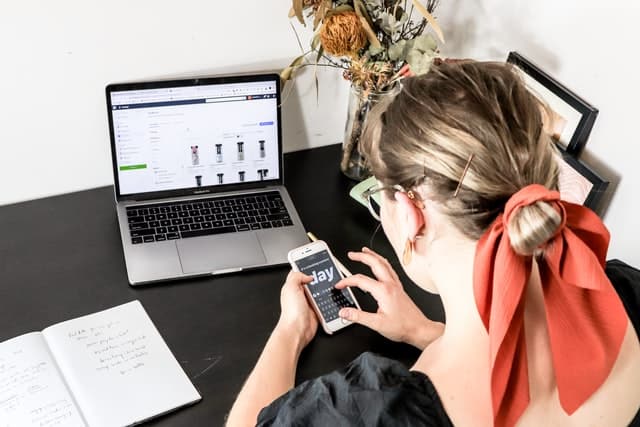
Buy now pay later (BNPL) has changed consumer lending by placing short-term instalment credit directly inside the shopping journey. Instead of applying separately for a credit card or personal loan, a customer can select a BNPL option at checkout, receive a lending decision, and repay according to a defined schedule. The experience may feel like a payment feature, but it remains a form of credit and should be evaluated with the same care as any other borrowing.
What is buy now pay later?
Buy now pay later is an instalment loan used to finance a specific purchase. A common model divides the price into four payments, often collected every two weeks, although providers also offer longer tenures and interest-bearing plans. The first payment may be due at checkout. Eligibility checks, fees, credit reporting and repayment terms vary by lender and market, so consumers should read the key terms before accepting an offer.
BNPL is part of the wider shift towards digital lending. Its distinctive feature is distribution: the credit offer appears at the point of sale and is embedded in a merchant’s website or app. That integration reduces friction, but it can also make the borrowing decision feel less consequential than a conventional loan application.
How buy now pay later lending works
- The customer selects a BNPL provider at checkout.
- The provider collects identity and payment information and assesses eligibility.
- The customer receives the repayment schedule, fees and other terms.
- The merchant is usually paid promptly by the provider, less an agreed merchant charge.
- The customer repays the provider through scheduled card, bank-account or other authorised payments.
The economics differ across products. Some plans charge the consumer no interest when payments are made on time, while others charge interest or late fees. Providers may earn merchant fees, consumer charges, interchange or a combination of revenues. Merchants use BNPL because it can broaden payment choice and support conversion, but responsible deployment requires clear disclosures and controls against unsuitable lending.
Why BNPL appeals to consumers and merchants
For consumers, buy now pay later can make cash flow easier to manage by spreading a purchase across predictable instalments. The application is usually quick, and the repayment schedule is visible before checkout. For merchants, an embedded credit option can reduce purchase friction and serve customers who prefer instalments over a revolving credit card balance.
Those benefits do not mean BNPL is free of cost or risk. A missed payment may trigger fees, restrict future use or lead to collection activity. Paying one BNPL instalment with a revolving credit card can also shift the obligation into higher-cost debt. Consumers should compare the total amount payable, the due dates and the consequences of non-payment—not just the size of the first instalment.
Consumer risks and responsible lending
The US Consumer Financial Protection Bureau’s BNPL research highlights potential risks including borrower overextension, data harvesting and operational harms connected with product design. A customer may hold several small loans across different apps, making the combined repayment burden difficult to see. Autopay can support timely repayment, but insufficient funds may create fees elsewhere in the customer’s financial life.
Responsible providers should assess affordability proportionately, present the total cost and schedule in plain language, secure customer data, offer accessible complaint channels and avoid manipulative design. Regulators increasingly treat embedded lending as lending, regardless of how smoothly it is presented at checkout.
Buy now pay later in India
In India, the regulatory status and obligations depend on the product structure and the entities involved. The Reserve Bank of India’s digital-lending guidelines emphasise direct fund flows, transparent disclosure of the annual percentage rate and key facts, data protection, grievance redressal and a cooling-off or look-up period for covered digital loans. Merchants and technology platforms should therefore work with appropriately regulated lenders and make each party’s role clear to the borrower.
BNPL also belongs to the broader evolution of banking and embedded finance. Strong governance matters because convenience cannot substitute for suitability, informed consent or fair treatment. The most resilient products will combine a simple customer experience with disciplined underwriting and transparent servicing.
A practical checklist for consumers
- Check whether interest, processing charges or late fees apply.
- Review every due date and the total amount payable.
- Add all active instalment obligations before taking another loan.
- Confirm how missed payments and refunds are handled.
- Understand what personal data the provider collects and shares.
- Use BNPL only when the full purchase fits within your budget.
The future of BNPL
Buy now pay later will continue to influence consumer lending because it joins credit, payments and commerce in one digital experience. Its long-term value, however, will depend less on frictionless approval and more on trust. Providers that disclose costs clearly, prevent harmful overextension, protect data and resolve problems fairly can make instalment credit genuinely useful. Consumers should remember the essential point: BNPL may be convenient, but it is still borrowing.
FINTECH BRIEFING · A FUTURECENTRAL BRIEFING
Get practical financial AI analysis in your inbox.
Useful signals, focused analysis and decision questions on AI in banking, payments, lending, insurance, wealth and risk.
Free to subscribe. Confirm your email after signing up. Unsubscribe at any time.