
Crowdfunding platforms connect campaign organisers with people willing to donate, pre-order a product, support a creator or invest in a business. Those models are not interchangeable: a charitable gift creates different rights from a reward pledge, loan or equity investment. This guide compares ten established services by use case and gives fundraisers and backers a practical due-diligence checklist.
Platform availability and terms were reviewed in August 2026. Fees, eligible countries and campaign rules change, so confirm current details on each official website.
Four types of crowdfunding platforms
- Donation: supporters give without expecting a financial return.
- Reward or pre-order: backers may receive a product, experience or recognition.
- Recurring membership: audiences support a creator through regular payments.
- Investment: eligible investors receive securities, debt or another financial interest and can lose their capital.
A campaign may resemble online shopping but operate under very different terms. FinTech Central’s guide to crowdfunding and startup financing explains the broader funding model.
Ten crowdfunding platforms to research
1. Kickstarter
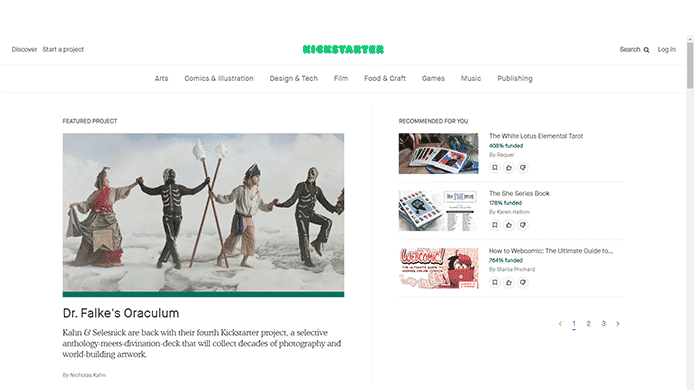
Kickstarter focuses on creative projects and generally uses an all-or-nothing funding model. It suits defined projects with a target, deadline and deliverable. Backers should assess prototype evidence, fulfilment plans and creator history because a pledge is not the same as purchasing an in-stock retail product.
2. Indiegogo
Indiegogo supports product and creative campaigns and may offer different funding structures. Campaigners should verify eligibility, disbursement rules and post-campaign commerce options. Backers should read the risk disclosures and avoid treating ambitious delivery dates as guarantees.
3. GoFundMe
GoFundMe is widely used for personal, emergency and charitable fundraising. Donors should verify the organiser, beneficiary and intended use of money. The US Federal Trade Commission warns in its crowdfunding consumer advice that money goes to the campaign organiser and recommends researching who is behind a request.
These crowdfunding platforms serve different contribution and reward expectations.
4. Patreon
Patreon is designed for recurring creator memberships rather than a single fundraising target. Creators can structure tiers and benefits, while supporters should understand billing frequency, benefit delivery and cancellation terms.
5. StartEngine
StartEngine hosts startup and alternative-asset investment offerings. Prospective investors must review the issuer’s filings, security terms, valuation, dilution, liquidity limits and platform disclosures. High campaign visibility does not reduce early-stage investment risk.
6. Republic
Republic provides access to selected private-market and startup offerings, subject to jurisdiction and investor eligibility. Each offering has its own legal structure and risk profile, so investors should read the official offering documents instead of relying on a campaign summary.
Investment crowdfunding platforms require closer review of legal rights and loss risk.
7. Wefunder
Wefunder is a US funding portal for Regulation Crowdfunding offerings. Compare the instrument offered—such as equity, debt or a convertible security—the valuation cap, investor rights and issuer reporting commitments.
8. Crowdcube
Crowdcube facilitates private-company investment in supported markets. Investors should check local eligibility, nominee arrangements, fees, dilution and the limited market for selling private securities.
9. Ketto
Ketto is used in India for medical, personal and social fundraising. Donors should verify medical or beneficiary documentation, understand platform charges and confirm whether a contribution is eligible for any tax benefit rather than assuming that every campaign qualifies.
India-focused crowdfunding platforms often centre on medical and social fundraising.
10. Milaap
Milaap also supports personal and cause-based fundraising in India. Campaigners should review verification, withdrawal and refund procedures. Donors should use the official payment flow and be cautious of copied campaigns or payment requests moved off-platform.
How investment crowdfunding platforms are regulated
Investment crowdfunding creates financial risk and is regulated differently from donations or rewards. In the United States, the SEC’s Regulation Crowdfunding overview states that qualifying transactions must occur through an SEC-registered broker-dealer or funding portal. It also describes issuer disclosures, offering limits, investor limits and a general one-year resale restriction.
The SEC’s investor bulletin stresses that startup securities are speculative, difficult to resell and capable of producing a total loss. Rules differ by country. A platform operating internationally may restrict access according to residence, accreditation or local securities law.
India does not treat an overseas equity-crowdfunding model as automatically available to resident investors or Indian issuers. Organisers should obtain current legal advice on securities, company, foreign-exchange and fundraising rules. Donation campaigns can also engage tax, foreign-contribution and consumer-protection requirements.
Due diligence for crowdfunding platforms
- Identify the organiser, beneficiary and legal entity.
- Read the campaign, risks, updates, refund rules and use of funds.
- Search independently for the people, product and prior campaigns.
- Keep payments inside the platform’s official flow.
- For products, assess prototype, manufacturing, shipping and warranty evidence.
- For investments, read regulatory filings and understand the security and valuation.
- Contribute only an amount you can afford to lose or have delayed.
How organisers compare crowdfunding platforms
Choose crowdfunding platforms by audience fit, eligible geography, funding model, fees, payment timing, verification and support. Build a budget that includes platform and payment charges, taxes, returns, failed delivery, communications and fulfilment. Do not set a target based only on the amount needed to manufacture the product.
Campaign pages should distinguish prototypes from finished products, explain material risks and use evidence for every performance claim. A realistic update cadence often matters more to trust than optimistic launch language.
Common crowdfunding platforms risks
Campaign failure on crowdfunding platforms
A project may miss its target, encounter cost overruns or fail after receiving funds. Understand whether the model is all-or-nothing or flexible funding.
Fraud on crowdfunding platforms
Scammers can copy emotional stories or redirect payment. Verify the campaign through independent channels and report suspicious activity to the platform and relevant authorities.
Delivery and quality risk
Reward campaigns may ship late, change specifications or never deliver. Crowdfunding does not provide the same certainty as ordinary retail.
Investment loss and illiquidity
Startup securities can be diluted, lose all value or remain unsaleable for years. Diversification cannot make a weak offering safe.
Crowdfunding platforms frequently asked questions
Which crowdfunding platform is best?
The answer depends on whether the goal is a donation, creative project, creator membership or regulated investment, as well as country, audience and fee structure.
Does a successful campaign guarantee delivery?
No. Funding success only means the campaign met its financial condition. Execution, manufacturing and legal risks remain.
Are crowdfunding investments liquid?
Usually not. Private securities may have transfer restrictions and no dependable secondary market.
Choosing crowdfunding platforms responsibly
Start with the funding model and legal rights, then compare services. The platform should provide clear rules, secure payments, transparent charges and an understandable complaints path. Backers should verify claims and size their support to the risk; organisers should communicate honestly and plan for fulfilment before launching.

